Written by:
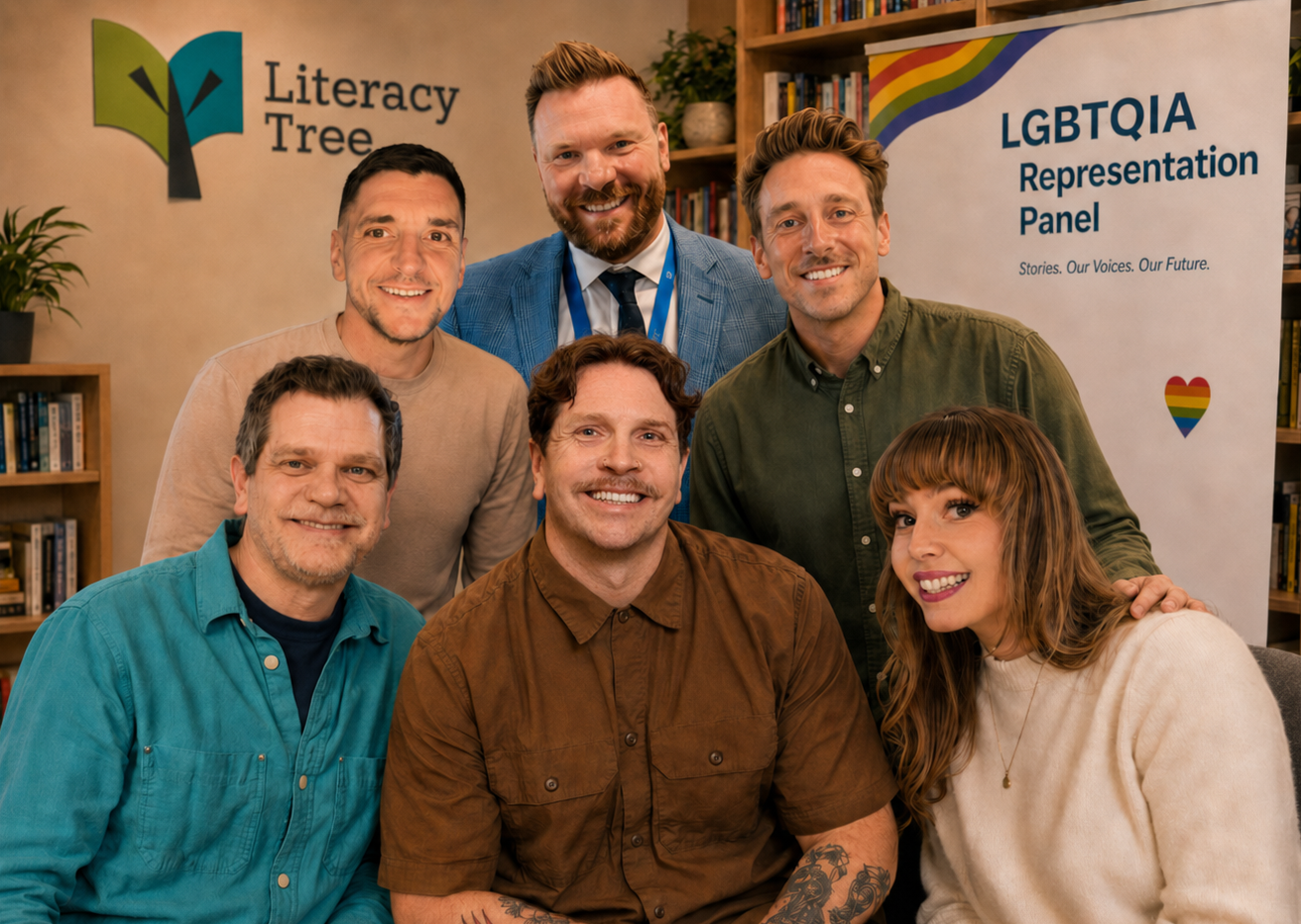
LGBTQIA+ Representation Panel
🚨Warning: this is a takeover 🚨
For Pride Month, we’re interrupting the usual Literature Review to make and hold space specifically for LGBTQIA+ children’s and young adult literature – loudly, proudly and without apology.
We are Literacy Tree’s LGBTQIA+ panel, a group of teachers and children’s book lovers from the Queer Community, who care deeply about what children are being offered to read, and what they are still – all too often – being denied.
LGBTQIA+ literature is not a niche category or a special interest shelf. It is not a controversial add-on, a one-week theme, or something to be wheeled out in June and quietly packed away again in July. These books are part of the landscape of children’s literature, and they deserve to be read, shared, taught, discussed and celebrated all year round.
The books children encounter in school matter. They shape whose lives are treated as ordinary, whose families are seen as valid, whose histories are remembered and whose futures are full of possibility. When LGBTQIA+ characters, families and communities are missing from classrooms and libraries, that absence says something. When are presented as issue-laden, a debate or a token gesture, that says something too. When their stories are authentically told, then all of us benefit.
So, for this takeover, each member of our panel will be writing about an LGBTQIA+ text they believe deserves space, attention and love. Across the reviews, we’ll be highlighting picture books, non-fiction, middle-grade novels and YA fiction that speak to identity, family, friendship, belonging, history, joy, resistance and self-expression.
These books centre LGBTQIA+ lives explicitly whilst also including queer characters and families as part of the everyday fabric of the story. Both matter.
We hope this takeover gives teachers, parents, librarians and school leaders practical recommendations, but beyond that, we hope it nudges, unsettles and encourages us to ask who is still missing from our shelves and what we are going to do about it, whilst perhaps introducing you to some literature that will be new to you – perhaps your next favourite book!
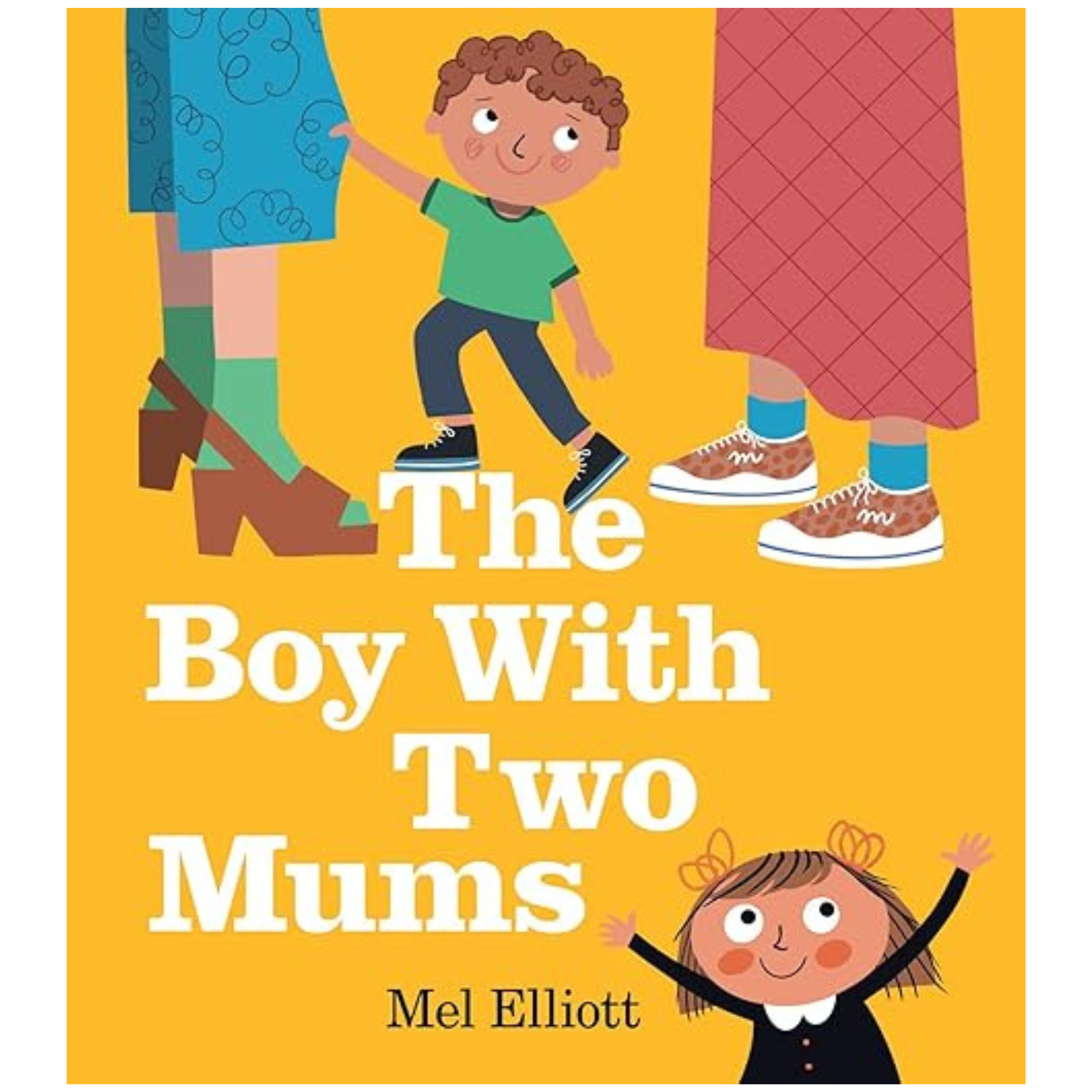 |
The Boy With Two Mums by Mel Elliott(Farshore, 7th May 2026) Review written by Ed Lockwood (he/him/his) The Boy With Two Mums is a warm and relatable picture book that celebrates the different shapes families can take. Through a simple but engaging story, the book follows a young boy and his two mums through everyday family life, helping children see that what matters most is love, care and belonging. One of the things I really liked about this book was how naturally it normalises same-sex parents. There is no big explanation or attempt to make the family seem “different”. |
It is simply presented as part of normal life. That makes the story feel genuine and accessible for young readers while also giving important representation to children who may not often see families like their own reflected in books.
The story also provides a great opportunity to discuss the many different family structures children may experience, including single-parent families, blended families and children living with grandparents. This makes it a valuable addition to classrooms and libraries particularly during conversations around inclusion, belonging and identity.
The illustrations are bright, engaging and full of character, helping to make the story feel warm and child-friendly throughout. As a follow-on to The Girl With Two Dads, this book continues to provide positive and inclusive representation in a way that feels authentic and age-appropriate.
Overall, this is a thoughtful and engaging book that supports empathy, acceptance and the celebration of all families.
Ed is Partnership Vice Principal and Year 6 Teacher at Cuddington Primary School
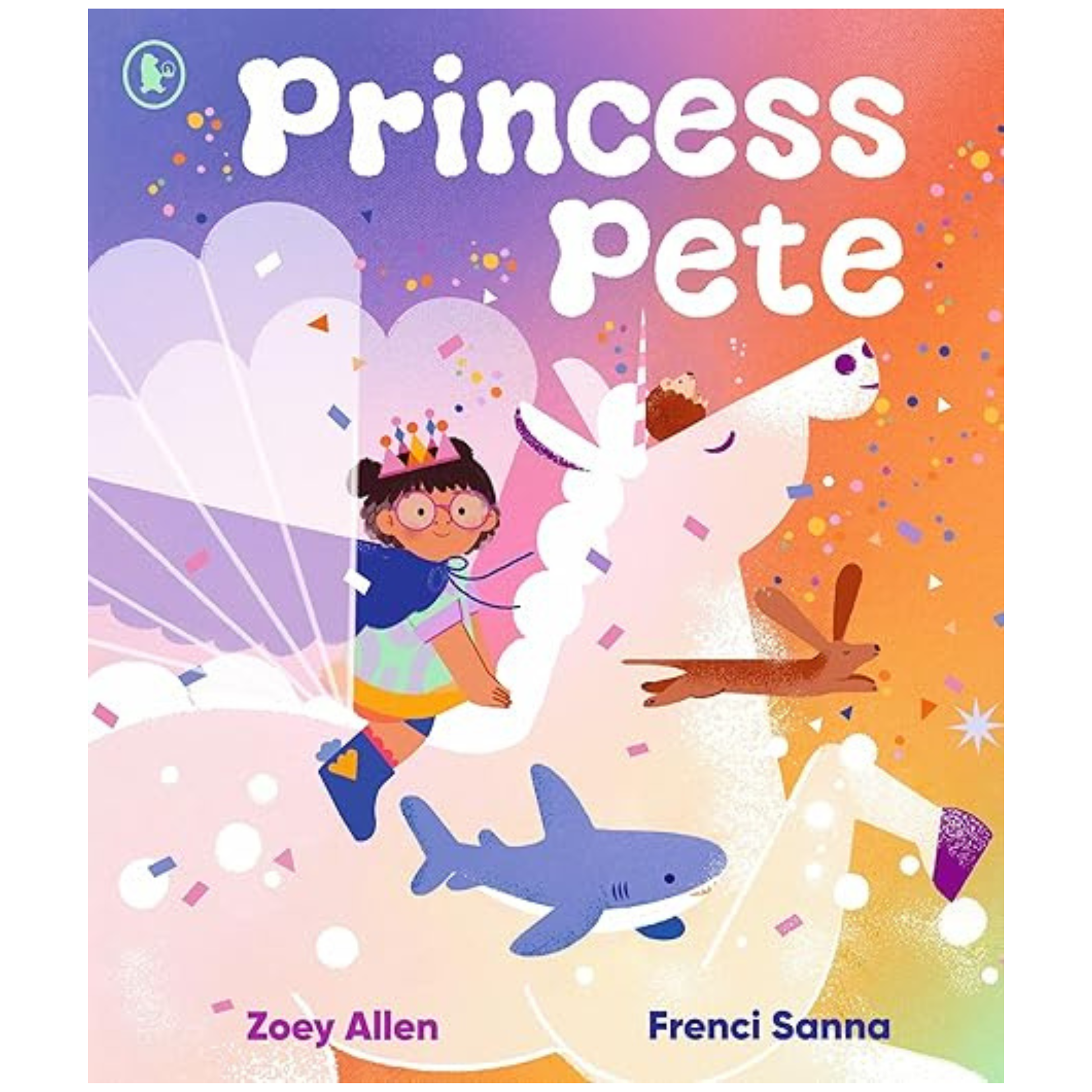
Princess Pete by Zoey Allen and Frenci Sanna(Walker, 7th May 2026) Review written by Chris Minards (he/him/his) Princess Pete is a vibrant, unapologetically proud celebration of self acceptance that feels like a warm hug for the soul. From the moment you turn the first page, the illustrations burst with a "sparkling, colourful world where dreams come to life." The story follows a day in the life of Pete, framed beautifully by a morning and evening ritual at the mirror. This cyclical journey allows us to glimpse Pete’s inner thoughts as they introduce themselves, explore their wardrobe and navigate their day. |
 |
The book serves as a powerful reminder that while the world may offer many labels, the most important one is the one we choose for ourselves. Pete concludes their introduction by proudly deciding exactly who they want to be.
What makes this story truly stand out is its portrayal of a secure base through radical parental acceptance. Pete’s parents don't just watch from the side lines, they actively participate in Pete's world. When external pressures arise and others express confusion over Pete's identity, the home remains a sanctuary. Pete hasn't found all the answers yet and the story beautifully validates that "not knowing" is a perfectly safe place to be when you are surrounded by love.
In the spirit of Pride Month, this book is an invitation to open our hearts to something new. We often find that a picture book can explain complex topics better than we adults can. Building a diverse repertoire of stories is a professional gift to our children.
There is a book for every child and for some little person in your care, Princess Pete might be the very spark of courage they need to shine.
Chris is a Reception Teacher at Hotham Primary School in Wandsworth
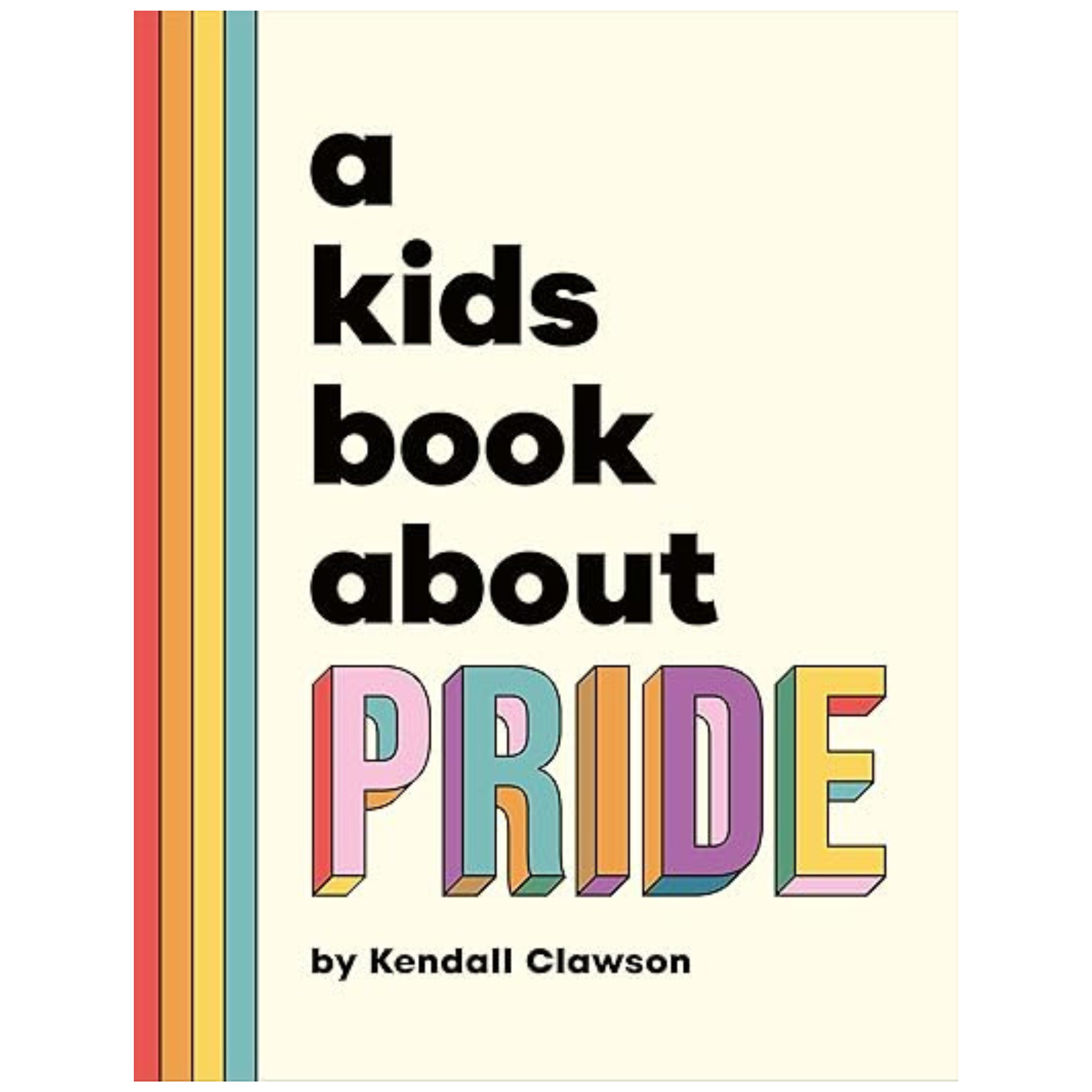 |
A Kids Book About Pride by Kendall Clawson(DK, 10th April 2025) Review written by Jade Murray (she/her/hers) Not strictly new, but we wanted to give this book a shout-out anyway! A Kids Book About Pride is a clear and thoughtful introduction to Pride that balances warmth with honesty. Kendall Clawson writes in a direct, conversational way that speaks to children without overcomplicating the ideas, making it easy to engage with while still feeling meaningful. What works particularly well is how accessible the text is. |
Key vocabulary is highlighted and explained in a way that allows children to build understanding as they read, rather than feeling shut out by unfamiliar language. The book also gently encourages sharing the experience with a trusted adult, recognising that these conversations are often most powerful when explored together.
The idea of a light inside you runs through the book and gives children something tangible to hold onto. It frames Pride in a way that feels inclusive and human, not something separate, but something everyone can connect to.
Alongside this, the book clearly explains what LGBTQ+ means and introduces key figures from Pride history, giving children a sense of both identity and context.
The design is bold and uncluttered, which keeps the focus on the message and supports discussion. It’s a text that works well in the classroom, particularly as a starting point for conversations around identity, fairness and belonging.
Overall, it’s a purposeful, accessible book that opens a space for children to understand Pride in a way that feels real and relevant.
Jade is a lecturer and researcher at Anglia Ruskin University and Classroom Teacher, English and Drama Lead at Sheringham Community Primary School
Superheroes in the Park by Ian Eagleton(Otter Barry, 11th May 2026) Review written by Dan Taylor (he/him/his) Ian Eagleton and Hayley Wells’ Superheroes in the Park is a warm, emotionally intelligent picture book exploring anxiety, imaginative play and the reassuring power of unconditional love. At its heart is a beautifully ordinary queer family: a child heading to the playground with Dad and Daddy, fizzing with excitement at the thought of climbing, racing and adventuring. Yet Eagleton gently captures how quickly excitement can tip into overwhelm when the world suddenly feels too loud, too slippery or simply too big. |
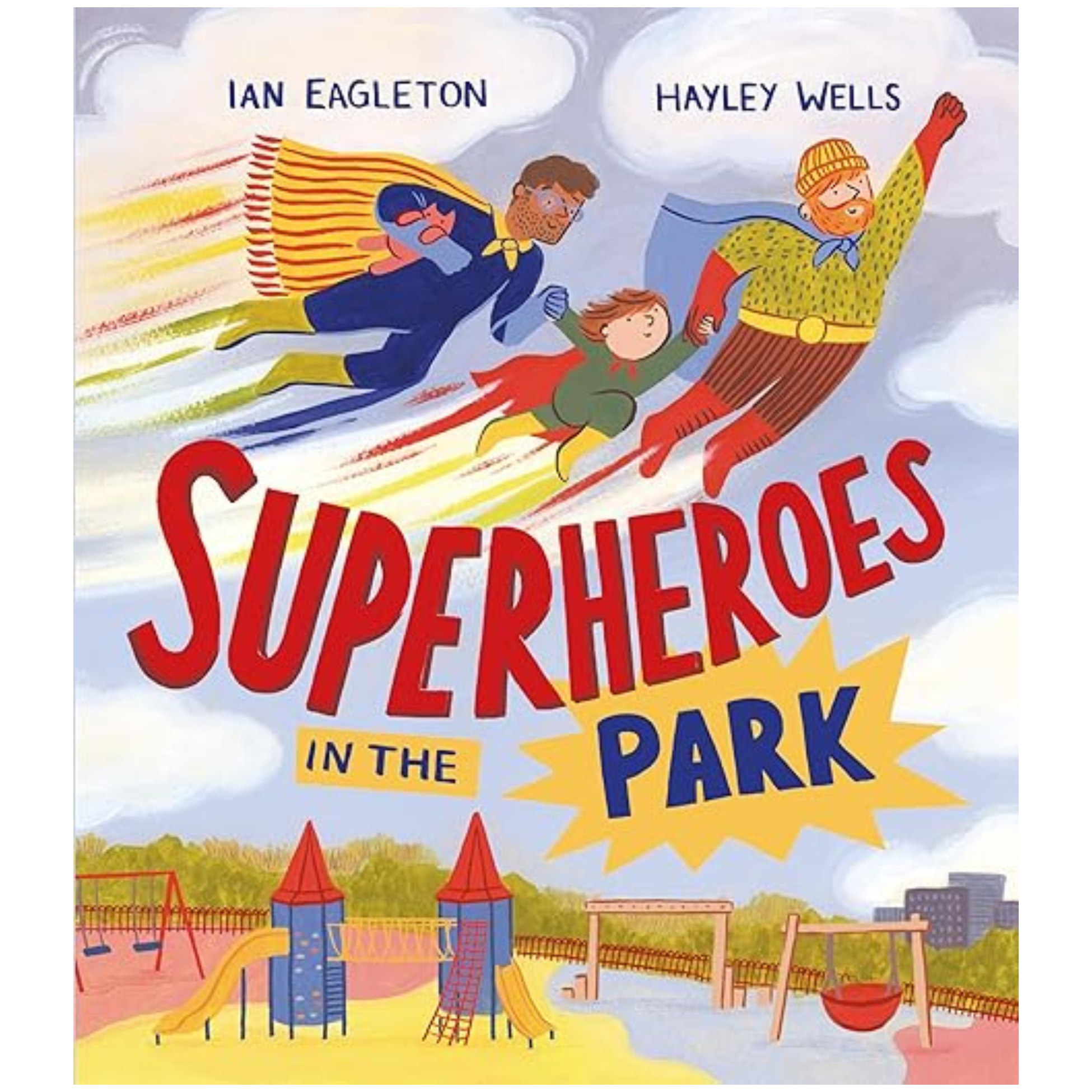 |
What makes the story especially touching is the authenticity underpinning it. Eagleton has spoken openly about how his own experience of adopting a son with his husband inspired the book and that lived experience quietly radiates throughout. The interactions between parent and child feel deeply genuine: the balancing of caution and encouragement; the navigating of emotional outbursts and misunderstandings; the desire to protect whilst allowing space for independence. Following the child’s frustration at repeatedly hearing ‘Stop!’ and ‘Be careful!’, one of the book’s most tender moments arrives when Dad admits, ‘We’re sorry… This is new for us. For all of us.’ A resonant acknowledgement that parenting is often a journey of learning together, something many adoptive families will particularly connect with.
Importantly, the LGBTQIA+ representation is woven naturally into the story rather than being positioned as something requiring explanation or reduced to a message or lesson. Dad and Daddy simply are – supportive, affectionate and entirely natural within the story’s world. Their presence is joyful and unremarkable in the very best sense of the word. For children growing up in LGBTQIA+ households, there is immense value in seeing families like their own reflected within stories of everyday childhood experience. Equally, books such as this continue the vital work of broadening representation for all young readers. Wells’ soft, expressive illustrations beautifully complement this affirming, compassionate and quietly radical celebration of family, trust and love.
Dan is DSL and Inclusion Lead for The Virtual School, Liverpool
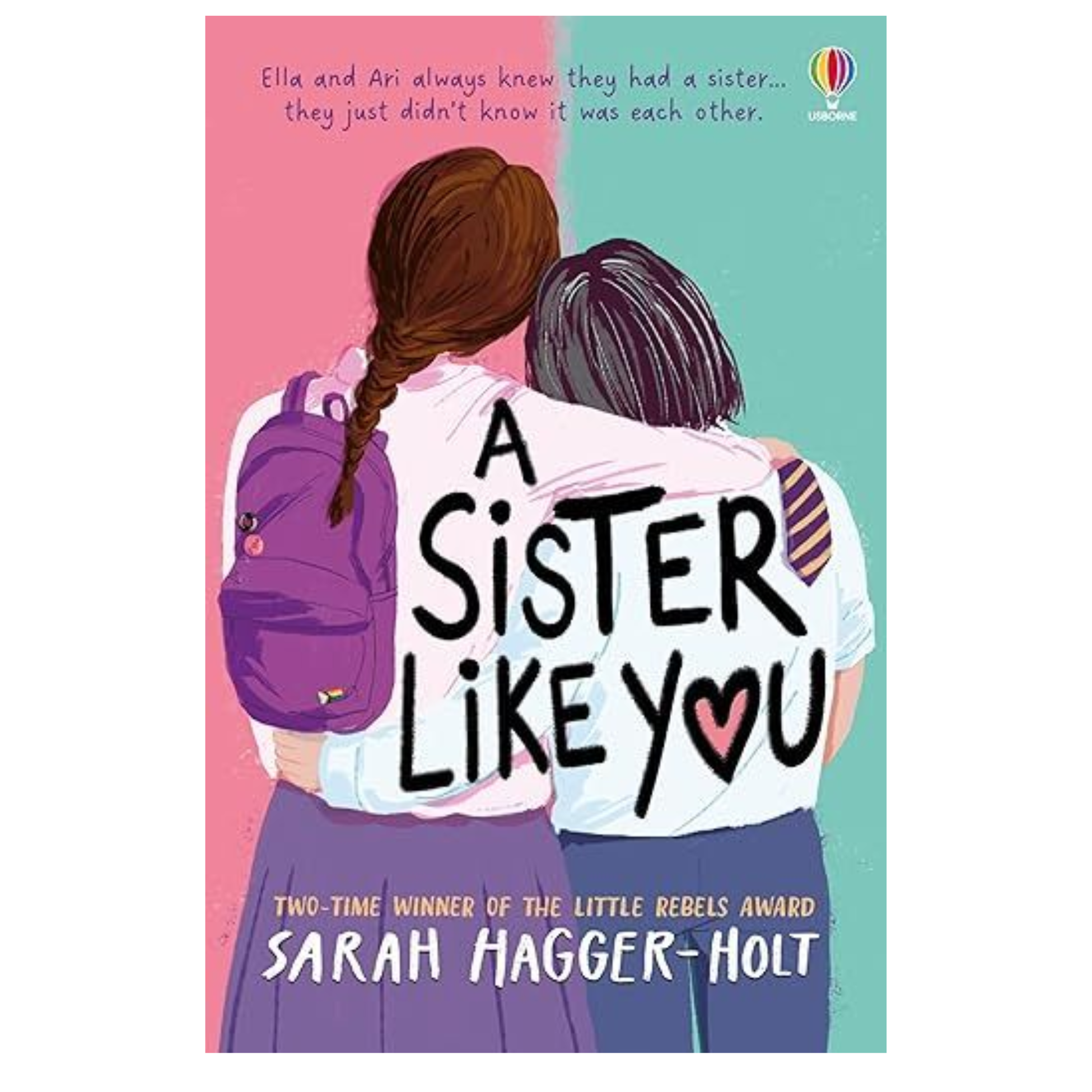 |
A Sister Like You by Sarah Hagger-Holt(Usborne, 7th May 2026) Review written by Anthony Legon (he/him/his) This is a beautifully warm and quietly powerful story about family, identity and the many different ways in which we can belong. Ella and Ari are both starting at St Hilda’s, though in different year groups, and both feel, in their own ways, somewhat adrift. When they meet at choir auditions, a tentative friendship begins. But what neither girl expects is the discovery that they are not just friends: they are sisters, adopted into two very different families and brought up apart. |
Ari, who lives with her laid-back dads, is impulsive, outspoken and keen to embrace this new relationship straight away. Ella, whose mum is more traditional and whose much-loved grandma is unwell, needs time to process what this means. And that’s where Sarah Hagger-Holt’s writing is so skilled: there are no easy answers here, just the careful, sometimes awkward, sometimes joyful work of learning how to be family.
Music runs through the story as a thread of connection, giving the girls a shared space in which feelings that are hard to say aloud can begin to find expression. It’s also refreshing to see LGBTQIA+ family life represented not as an issue, but as part of the rich, everyday fabric of the story.
Tender, inclusive and full of emotional truth, this would be a wonderful read for upper KS2 and lower KS3 readers exploring friendship, adoption, sisterhood and the courage it takes to find your voice.
Anthony is Co-CEO at Literacy Tree
Saber-Tooth: A Novel in Verse by Robin Gow(Amulet, 5 March 2026) Review written by Nicholas Legon (he/him/his) Robin Gow is a genderqueer author whose writing often explores identity, mythology, nature, and transformation. Gow’s work is known for blending emotional honesty with vivid imagery, creating stories and poems that feel both deeply personal and universally relatable. In Saber Tooth, Gow uses poetry to examine what it means to survive, change, and exist authentically in a world that can feel isolating. One of the strongest themes in Saber Tooth is identity, particularly trans identity and self-discovery. Gow connects human emotion with the natural world, using imagery of animals, fossils, and wilderness to reflect feelings of loneliness, resilience, and belonging. |
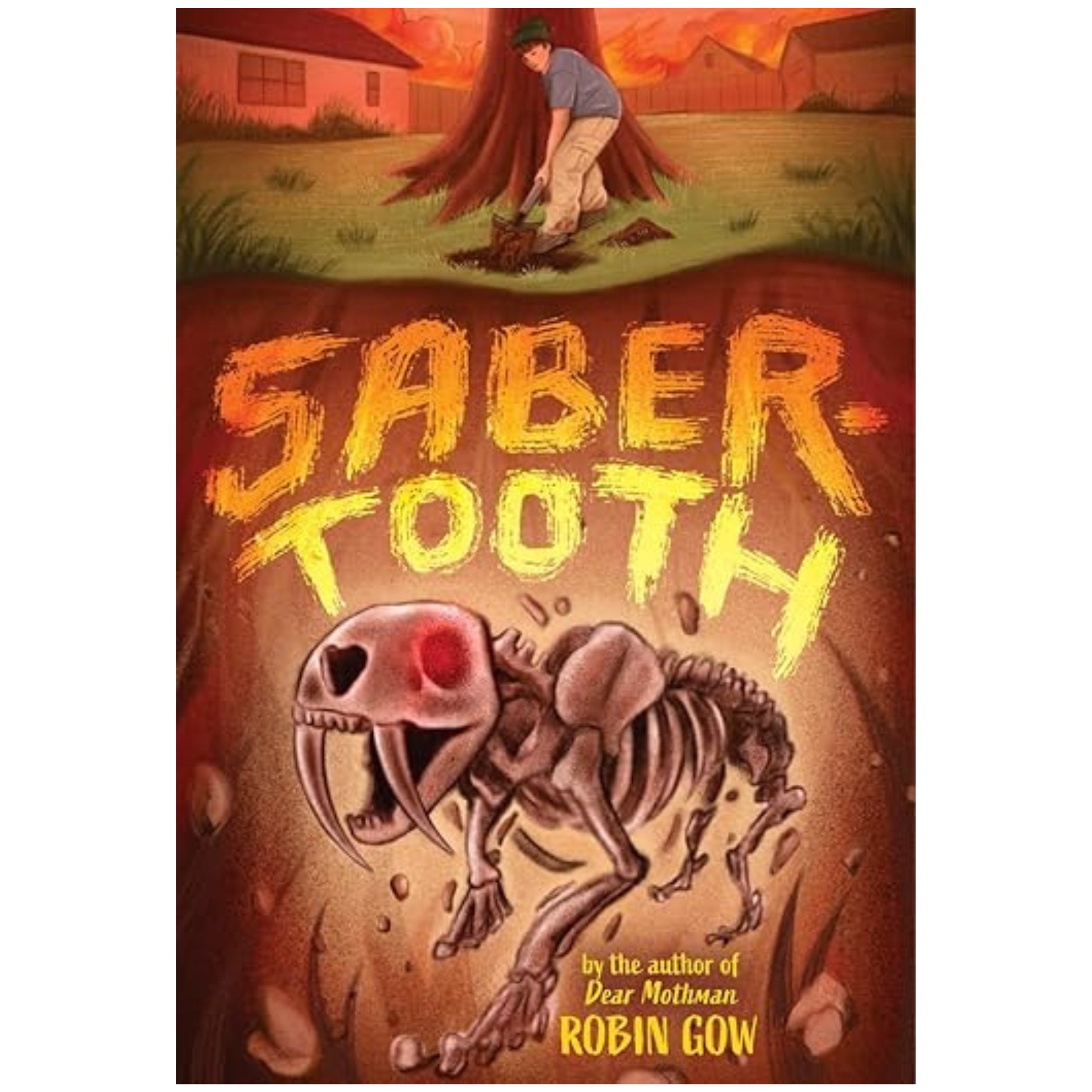 |
The collection also explores grief, love, and transformation, not just physically, but emotionally. Anger is another important theme throughout the book, but it is presented thoughtfully rather than destructively. Gow explores where anger comes from, linking it to pain, isolation, fear, and the experience of not being understood. This makes the poems feel raw and intimate while still offering moments of tenderness and hope.
I think Saber Tooth is a powerful Pride Month read because it celebrates queer identity in a way that feels honest rather than idealised. The poetry is emotional without being overwhelming, and Gow’s writing style is accessible even for readers who do not usually read poetry. I would recommend this book to teens and young adults who enjoy reflective, character-driven writing and themes of identity, healing, anger, and connection. Readers interested in LGBTQ+ literature, contemporary poetry, or nature-inspired writing would especially appreciate this collection.
Nicholas is Head of Operations at Literacy Tree